Weekly Planning
Plan your weekly meals on Sunday, build a shopping list, and prepare what you can. This reduces daily decision fatigue and supports consistent nutrition.
Best for: structured schedules, batch cooking
Explore evidence-informed meal planning frameworks that work with your life, not against it. Flexible approaches to consistent, balanced nutrition.
These are educational frameworks. Choose what works for you, and adjust as needed.
Plan your weekly meals on Sunday, build a shopping list, and prepare what you can. This reduces daily decision fatigue and supports consistent nutrition.
Best for: structured schedules, batch cooking
A simple visual framework: roughly half vegetables, one quarter protein, one quarter grains. No calorie counting—just visual balance guide.
Best for: quick decision-making, flexibility
Have staple proteins, grains, vegetables, and sauces on hand. Mix them in any combination to create satisfying, balanced meals without rigid recipes.
Best for: improvisation, variety, using what's available
Develop the knowledge to recognise balanced nutrition, then trust yourself to build meals based on hunger, preferences, and what you have available.
Best for: experienced intuitive eaters, fluid schedules
The best meal system is one you'll actually use. This might mean combining elements from several approaches or creating something entirely your own.
Consider your lifestyle: How busy are you? Do you enjoy cooking? How much variety do you need? How flexible can you be? Your answers guide the system that serves you best.
Explore these seven-day examples to find an approach that might suit your schedule and preferences.
Monday: Grilled chicken + roasted vegetables + rice
Tuesday: Pasta with tomato sauce + salad
Wednesday: Fish + sweet potato + broccoli
Thursday: Stir-fry with tofu + noodles
Friday: Beef mince tacos with fresh vegetables
Saturday: Homemade pizza with mixed toppings
Sunday: Roast with seasonal vegetables
Monday: Lentil curry + brown rice + steamed greens
Tuesday: Bean chilli with corn bread
Wednesday: Vegetable stir-fry + tofu + white rice
Thursday: Chickpea pasta with tomato sauce
Friday: Sweet potato and black bean tacos
Saturday: Vegetable fried rice with eggs
Sunday: Roasted vegetable and quinoa bowl
Sunday prep: Cook multiple grains + proteins for mix-and-match
Daily assembly: Choose grain + protein + vegetable + sauce
Example combinations: Brown rice + roasted chicken + steamed broccoli + teriyaki
Alternative: Pasta + lentils + spinach + pesto
Flexible: Use combinations that suit your hunger and preferences each day
Note: This system maximises flexibility with minimal daily effort
Adjust portions and combinations based on appetite and available ingredients
Sunday prep: Roast chickpeas + cook quinoa + chop vegetables
Monday: Chickpea + quinoa + roasted vegetables bowl
Tuesday: Same ingredients on a salad with tahini dressing
Wednesday: Mixed into a wrap with hummus
Thursday: Blended into a soup base
Friday: Create a completely new combination with fresh herbs
Saturday & Sunday: Use remaining elements with fresh produce as needed
Buy protein in bulk and freeze. Choose seasonal vegetables for better prices and freshness. Keep staple grains and legumes stocked. Build flexibility by having multiple options in each category.
Dedicate 2–3 hours on prep day for chopping, cooking grains, and protein. Store in clearly labelled containers. Knowing what's available reduces decision fatigue during the week and supports balanced choices.
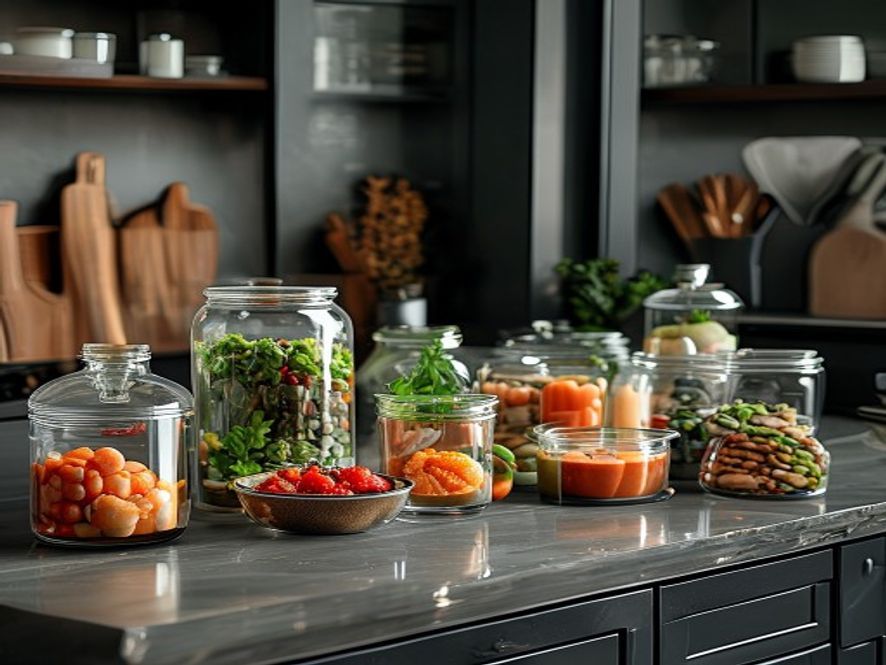
Glass containers preserve food quality and visibility. Label everything with dates. Use freezer space for batch-cooked components. Proper storage extends shelf life and makes meal assembly faster and easier.
Rotate vegetables and grains seasonally. Change sauces and seasonings to transform the same base ingredients. Try new herbs or cuisines to keep meals interesting without starting from scratch each time.
A basic educational framework: include a source of protein (meat, legumes, dairy, eggs), a grain or starchy vegetable, and at least one non-starchy vegetable. This visual balance typically provides a mix of nutrients and fibre. There's no need to calculate exact percentages or macros; this guideline is flexible and works for most meals.
No. Meal planning is a practical tool for consistency and nutrition; dieting involves rigid rules and restriction. Our educational approach to planning emphasises flexibility, options, and honouring your preferences. You plan with choices, not constraints.
Adjust it. The plan serves you; you don't serve the plan. If a system isn't working, identify what's not functioning (too much cooking, lack of variety, unrealistic) and modify. This iterative approach builds systems that actually fit your life.
The plan is a guide, not a rigid requirement. Social events, unexpected hunger, and cravings are part of real life. Intuitive eating frameworks embrace flexibility. Eat what you want at restaurants or social events; the plan simply provides structure for when you're preparing meals at home.
Our guidance sessions can help you design a personalised meal system that fits your life, preferences, and schedule.
Book a Session